
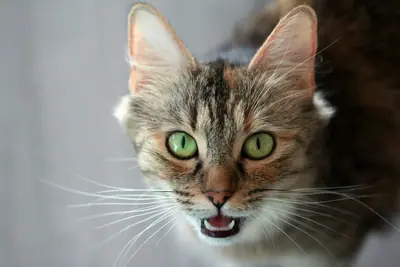
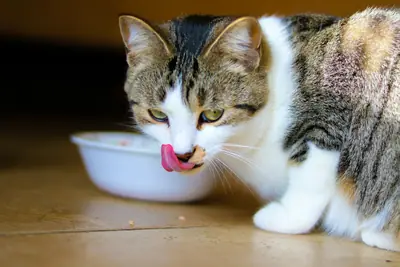
Cats hide illness well
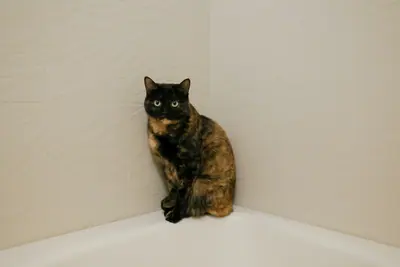
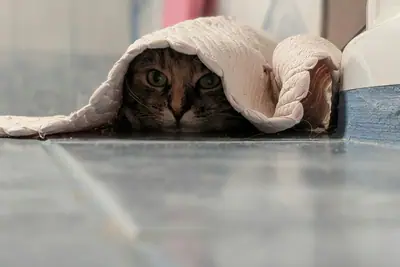
Cats are experts at hiding pain and illness, a leftover instinct from the wild. By the time a cat looks sick, the problem has often been going on for a while. That's why small changes matter: eating less, hiding, drinking more water, or using the litter box differently.
Two rules every cat owner should know
- A cat shouldn't go more than 24 hours without eating. A long fast can trigger hepatic lipidosis (fatty liver), a serious liver disease. Read what to do if your cat isn't eating and is hiding.
- A male cat straining in the litter box without peeing is an emergency. A urinary blockage can be fatal within 24-48 hours.
Toxic dangers at home
- Lilies: every part of the plant, even the pollen and the water in the vase, can cause kidney failure in cats.
- Dog flea and tick products with permethrin: highly toxic to cats. Never use a dog product on a cat.
- Human medications, especially acetaminophen (Tylenol).
Where to start
- Cat not eating and hiding
- Cat throwing up after eating
- Cat diarrhea
- Cat sneezing a lot
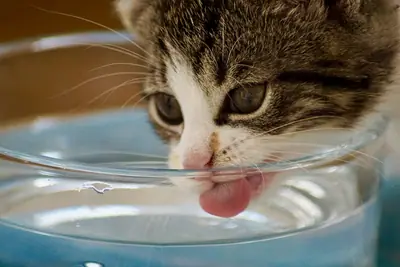
- Cat drinking a lot of water
- Cat peeing outside the litter box
Keep your cat healthy
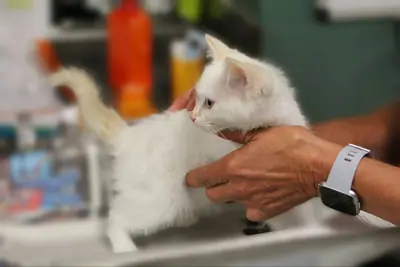
Core vaccines are recommended even for indoor cats: see the cat vaccination schedule. From about age 7, a yearly checkup with blood and urine tests helps catch kidney disease, diabetes and hyperthyroidism early.