Why is my dog shaking or trembling?
Check these signs first
- Red flag: Go to the emergency vet right away if your dog6 signs
- Yellow flag: Make an appointment in the next few days if4 signs
- Green flag: What you can do at home
- Typical cost
- $56-$129
- Reading time
- 5 min
- Sources
- 7
- Updated
Dogs shake for many everyday reasons: cold, fear, excitement or pain. If the trembling stops once your dog warms up, calms down or the scary thing is over, and they're otherwise acting normal, it's usually nothing serious. It's an emergency if your dog is shaking and also vomiting, drooling heavily, stumbling, very weak, may have eaten something toxic, or collapses.

Common (and usually harmless) causes
- Cold. Small, short-haired, young and senior dogs lose heat quickly: Chihuahuas, greyhounds and Yorkies often shiver in winter.
- Excitement. Many dogs tremble with joy when you get home or before a walk, and stop as soon as they get what they're waiting for.
- Fear, stress or anxiety. Thunderstorms, fireworks, car rides, the vet or strangers. Shaking is a classic sign of stress in dogs (American Kennel Club).
- Age. Older dogs often get trembling back legs, especially when standing, as they lose muscle.
Causes that need a vet
- Pain. A dog that trembles, walks hunched and won't jump or climb stairs may have back pain (such as a disc problem), belly pain or sore joints. It's especially common in small breeds.
- Nausea, before vomiting or with an upset stomach.
- Poisoning. Chocolate, caffeine, macadamia nuts, xylitol (in sugar-free gum, candy and some peanut butters) and cigarette butts can cause tremors and, in severe cases, seizures (ASPCA). See foods dogs can't eat.
- Low blood sugar (hypoglycemia). Typical in toy-breed puppies that go too long without eating and in diabetic dogs on insulin. Trembling can be the first sign, along with weakness and lethargy.
- Heatstroke. Heavy panting, drooling, trembling and weakness after heat or exercise. See heatstroke in dogs.
- Distemper. In puppies and unvaccinated dogs, it can cause rhythmic twitching of a muscle, sometimes in the jaw, as if chewing gum.
- Generalized tremor syndrome (sometimes called "little white shaker syndrome"). Whole-body tremors that get worse with excitement and ease at rest. It's most common in small white dogs such as Maltese, Westies and Bichons, usually around 1 to 2 years old. It's treated with steroids and the outlook is excellent (VCA Animal Hospitals).
- Other conditions, such as Addison's disease, kidney disease or neurological problems.
Trembling or a seizure? How to tell
During trembling, your dog stays aware: they look at you, respond to their name and can walk.
During a seizure, a dog usually falls onto their side, goes stiff and paddles their legs. They may drool, chomp their jaw and lose control of their bladder or bowels, and they don't respond. Seizures usually last one to two minutes, and afterward the dog can be confused or seem unable to see for a while (VCA Animal Hospitals).
If your dog has a seizure, move furniture and objects they could hit, never put your hand in their mouth, and, if you can, record a video on your phone. It helps your vet a lot.
When to see a vet
Go to the emergency vet right away if your dog:
- Has had a seizure, especially if it lasts more than a few minutes or happens again.
- May have eaten something toxic: chocolate, xylitol, macadamia nuts, cigarettes, medications, or household or garden chemicals. Call the ASPCA Animal Poison Control Center at (888) 426-4435 (a consultation fee may apply) or the Pet Poison Helpline at (855) 764-7661 on the way.
- Is shaking and also vomiting, has diarrhea, is drooling heavily, stumbling or very weak.
- Is a small puppy that's trembling and listless: it could be low blood sugar.
- Is trembling and panting heavily after heat or exercise.
- Has pale gums, is struggling to breathe or has a swollen belly.
Make an appointment in the next few days if:
- The trembling keeps coming back without an obvious cause like cold or fear.
- Your dog seems to be in pain: walking hunched, avoiding jumps or stairs, or crying when touched.
- Your senior dog's back legs shake more and more.
- Your dog's whole body trembles, more when excited, even though they seem fine otherwise.
What you can do at home
If the shaking has a clear, harmless cause and your dog is fine otherwise:
- If it's the cold, use a coat or sweater on winter walks, dry your dog well after rain and give them a bed away from drafts.
- If it's fear, offer a quiet place to hide and stay calm. If your dog comes to you, stay close and talk softly. Don't punish them or force them to face what scares them.
- If you have a toy-breed puppy, feed on a regular schedule and don't let them go many hours without food.
- Write down when the shaking happens, how long it lasts and what was going on, and film it if you can. It helps if your dog does need to see the vet.
Never give human pain relievers, such as ibuprofen (Advil), naproxen (Aleve) or acetaminophen (Tylenol), even if you think your dog is hurting: they can be very toxic to dogs.
What the vet will do
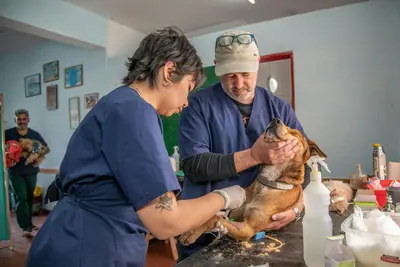
Your vet will do a full exam, including temperature, feeling for pain and a neurological check. They'll often recommend bloodwork (blood sugar, electrolytes, kidneys and liver) and, depending on what they find, a distemper test, X-rays or, for neurological problems, an MRI. As a guide, a routine exam costs about $56-$129 and blood panels about $104-$164 each in the US (Synchrony/CareCredit cost study). Treatment depends on the cause, from pain relief to treating a poisoning or low blood sugar.
Frequently asked questions
Is it normal for my dog to twitch or shake while sleeping?
Yes. Small movements of the legs, ears or whiskers during sleep usually mean your dog is dreaming. If they wake up and respond normally when you call them, it isn't a seizure.
Why do Chihuahuas shake so much?
Their small size makes them lose heat quickly, and many are sensitive to change and excitement. Still, rule out low blood sugar in puppies, and if your Chihuahua shakes for no clear reason, ask your vet.
My dog is shaking and panting. What's wrong?
It can be fear, pain or heat. If it happens after heat or exercise, think heatstroke and act fast. If your dog is shaking, panting and also lethargic or doesn't want to move, take them to the vet the same day.
Sources
- Why Is My Dog Shaking? (American Kennel Club)
- Shaker Syndrome in Dogs (VCA Animal Hospitals)
- Seizures and Syncope (VCA Animal Hospitals)
- People Foods to Avoid Feeding Your Pets (ASPCA Animal Poison Control)
- ASPCA Animal Poison Control Center
- Pet Poison Helpline
- Veterinary Exam and Procedure Costs (CareCredit, Synchrony 2025-2026 cost study)
This article is for general information and does not replace diagnosis or treatment by a veterinarian. If you are worried about your pet's health, call your vet clinic.