Why does my dog's breath smell so bad?
Check these signs first
- Red flag: Go to the vet today if the bad breath comes with5 signs
- Yellow flag: Make an appointment in the next few days if4 signs
- Green flag: What you can do at home to prevent it
- Typical cost
- $56-$129
- Reading time
- 4 min
- Sources
- 4
- Updated
Bad breath in dogs isn't normal, even in older dogs. Most of the time it starts in the mouth: tartar, inflamed gums or an infected tooth. According to VCA, more than two-thirds of dogs over three years old have some degree of periodontal disease. Less often, an unusual smell is a clue to something outside the mouth: breath that smells like ammonia or urine can point to kidney disease, and sweet-smelling breath to diabetes. Book a vet visit to have your dog's mouth checked, and go sooner if your dog is also lethargic, not eating, or drinking much more than usual.
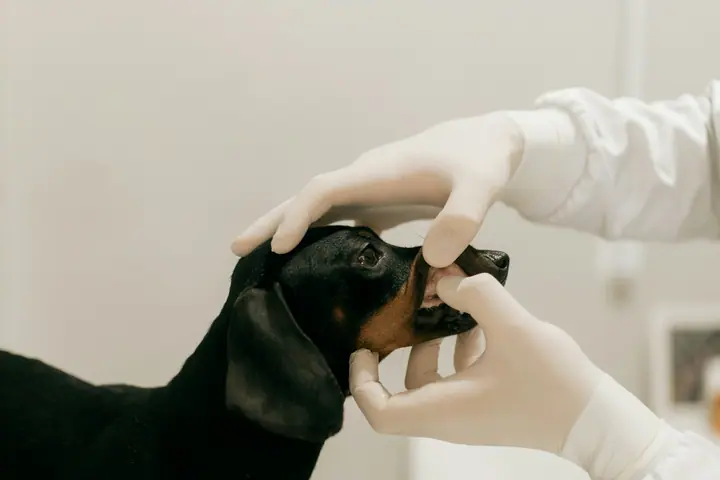
The most common causes
- Tartar and gum (periodontal) disease. Plaque hardens into tartar, bacteria inflame the gums, and the result smells. It's by far the most common cause, according to the PDSA and VCA.
- A broken tooth or a tooth root abscess. The infection smells strongly and hurts.
- Something stuck in the mouth, like a piece of bone, a stick or a grass awn between the teeth. If it causes a wound, it can get infected.
- Lumps in the mouth that become infected.
- Kidney disease. When the kidneys don't filter well, waste builds up and the breath can smell of ammonia or urine.
- Diabetes. Ketones building up in the body can make the breath smell sweet.
- Diet. Fish-based foods, for example, can make breath smell fishy. That isn't a disease.
Signs that go with a dental problem
According to VCA, a dog with a sore mouth may also:
- Paw at the mouth, shake the head or chatter the jaw.
- Have trouble chewing, chew on one side or drop food.
- Drool more than usual or have blood in the saliva.
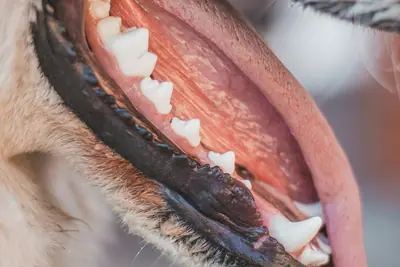
- Show brown tartar on the teeth and red gums that bleed when touched.
When to see the vet
Go to the vet today if the bad breath comes with:
- Lethargy, loss of appetite or vomiting.
- An ammonia smell and your dog is drinking and peeing much more than usual or losing weight (possible kidney disease).
- A sweet smell and lots of drinking and peeing (possible diabetes).
- A swollen face or bleeding from the mouth.
- Something stuck in the mouth that you can't easily remove.
If your dog is very weak or can't stand, see when to take your dog to the emergency vet.
Make an appointment in the next few days if:
- The bad breath doesn't go away or is getting worse.
- You see tartar, red gums, or a broken or loose tooth.
- Your dog chews on one side, drops food or drools.
- Your dog is over three and has never had a dental checkup.
As the PDSA puts it, always contact your vet if you notice a change in your dog's breath, especially if your dog seems to be in pain, has stopped eating or seems unwell.
What the vet will do
Your vet will look at the teeth, gums and the rest of the mouth. If there's tartar and gum disease, they'll recommend a dental cleaning under general anesthesia: VCA notes that a full anesthetic is required for proper dentistry. Dental X-rays and extractions are sometimes needed. A routine cleaning averages about $379 in the Synchrony/CareCredit cost study (CareCredit); see how much dog teeth cleaning costs.
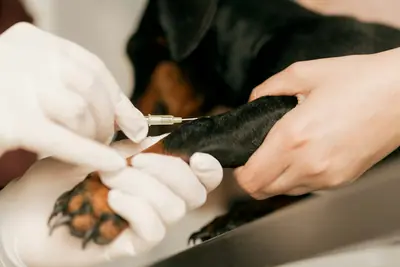
If kidney disease or diabetes is suspected, your vet will run blood work and a urine test.
What you can do at home to prevent it
- Brush your dog's teeth daily with a dog toothbrush and toothpaste made for dogs. VCA calls daily brushing the best prevention. Never use human toothpaste: some contain xylitol, which is toxic to dogs.
- Start slowly: first get your dog used to having the mouth handled, then a few seconds of brushing, always with a reward.
- Look for dental products with the VOHC seal (Veterinary Oral Health Council), which goes only to products shown to reduce plaque or tartar.
- Dental chews can help, but they don't replace brushing.
- Ask for a mouth check at every yearly exam.
Frequently asked questions
Is it normal for an older dog to have bad breath?
No. It's common, because tartar builds up over the years, but it isn't normal. The PDSA is clear that bad breath isn't normal, even in older dogs, and should be checked.
Do breath sprays or chews fix it?
They can mask the smell, but they don't remove tartar or treat gum infection. If the problem is dental, your dog needs a professional cleaning and then brushing at home.
Can I scrape the tartar off myself?
Don't scrape your dog's teeth. You can hurt the gums, and you won't reach below the gumline, which is where the problem is. Daily brushing prevents tartar; tartar that's already there needs a cleaning at the vet.
Why does my dog's breath smell like fish?
It may be the food, if it contains fish, but it can also be a mouth infection. If you change foods and the smell stays, have your vet check the mouth.
Sources
This article is for general information and does not replace diagnosis or treatment by a veterinarian. If you are worried about your pet's health, call your vet clinic.