How much does an emergency vet visit cost in 2026?
Guide summary
- Typical cost
- About $135
- Reading time
- 4 min
- Sources
- 3
- Updated
The emergency exam fee alone averages about $135 for a dog and $143 for a cat in the US, according to the Synchrony/CareCredit 2025-2026 cost study (CareCredit). That's just to be seen. With tests and treatment, most emergency visits land between $300 and $2,500, and a stay with overnight care or tests can reach $4,000 (Rover). Emergency surgery, such as removing a swallowed object, often costs more.
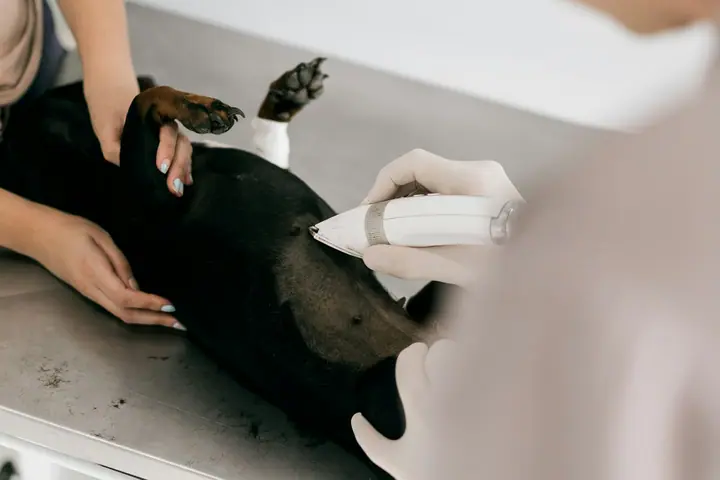
Typical emergency costs
| Service | Typical cost |
|---|---|
| Emergency exam (dog) | about $135 on average |
| Emergency exam (cat) | about $143 on average |
| Complete blood count (CBC) | about $104 |
| X-rays (2-3 views) | about $172 |
| Hospitalization at an emergency clinic | about $1,323 |
| Hospitalization at a regular vet clinic | about $619 |
| Typical total ER visit | $300-$2,500 (up to $4,000 with overnight care) |
National averages from the Synchrony/CareCredit 2025-2026 Average Procedural Cost Study and Rover's 2026 cost survey. Prices vary a lot by state, city and hospital. Ask for a written estimate as soon as the vet knows what's wrong.
Emergency care is a common money worry: in Rover's 2026 survey, 38% of dog owners said they couldn't cover an emergency vet bill without going into debt.
What happens at the ER (and what you pay for)
- Triage. A nurse or vet checks breathing, gum color, heart rate and pain first. The sickest patients are seen first, so a stable pet may wait.
- Exam. This is the emergency exam fee.
- Diagnostics. Most often blood work and X-rays or ultrasound. Each one adds to the bill.
- Treatment. IV fluids, pain relief, anti-nausea medication, wound care. You pay for what's used.
- Hospitalization or surgery, if needed. This is what pushes the total into the thousands. See how much dog surgery costs for prices by procedure.
Before any of that, the team should give you an estimate. You can ask questions and decide on a plan before treatment starts.
What makes the bill higher
- Time and day: nights, weekends and holidays usually cost more.
- Type of hospital: a 24-hour emergency or specialty hospital costs more than a regular clinic, but it has more equipment and staff overnight.
- How sick your pet is: poisonings, trauma, breathing trouble or a blockage usually mean tests and a hospital stay.
- Your pet's size: drugs and anesthesia are dosed by weight.
- Where you live: big-city hospitals charge more.
When the ER is worth it
Don't wait until morning if your dog or cat:
- Is struggling to breathe, breathing with the mouth wide open, or has blue, gray or very pale gums.
- Is retching without bringing anything up and has a swollen belly (possible bloat).
- Ate something toxic: chocolate, grapes, xylitol, human medications or rat poison.
- Has a seizure, collapses or can't stand.
- Is straining to pee with nothing coming out (very serious in male cats).
- Was hit by a car or had a bad fall, even if they seem fine.
See the full list in when to take your dog to the emergency vet. Waiting usually makes things more expensive, not less: a sicker pet needs more tests and more days in the hospital. For poisonings, you can also call the ASPCA Animal Poison Control Center at (888) 426-4435 (a consultation fee may apply).
How to pay for it
- Call ahead. The team can tell you whether it sounds urgent, what the exam costs and get ready for you.
- Know your nearest 24-hour hospital before you need it, and save the number in your phone.
- Ask for a written estimate and what it includes before you approve a hospital stay or surgery.
- Ask about payment options. Many hospitals accept veterinary financing such as CareCredit or offer payment plans for large bills.
- Consider pet insurance before an emergency happens: most accident and illness plans reimburse ER visits after the deductible. See whether pet insurance is worth it and how much cat insurance costs.
- Never give human medications to get through the night. Many are toxic to pets and can make the visit far more expensive. Always ask your vet.
For routine prices, see how much a vet visit costs.
Frequently asked questions
Why is the emergency vet so much more expensive?
Emergency hospitals stay staffed and equipped around the clock, with labs, imaging and intensive care ready at any hour. The exam fee is higher, and sick pets often need several tests and a hospital stay at once.
Can the ER refuse to treat my pet if I can't pay?
Policies vary. Most hospitals will stabilize a pet in crisis and then discuss an estimate and a deposit. If money is tight, say so early: the team can often suggest a step-by-step plan or financing.
Does pet insurance pay for emergency visits?
Most accident and illness policies do, after your deductible and up to your reimbursement rate. Accident-only plans cover injuries but not illnesses. Policies don't cover conditions that started before you enrolled.
How much is an overnight stay?
In the CareCredit study, hospitalization averaged about $1,323 at an emergency clinic and about $619 at a regular vet clinic. Intensive care costs more.
Sources
This article is for general information and does not replace diagnosis or treatment by a veterinarian. If you are worried about your pet's health, call your vet clinic.